
Moisture Defense Charcoal Storage: Keep Fuel Dry
Oct 28th 2026

Mastering moisture defense charcoal storage keeps fuel ready for immediate ignition and consistent cooking temperatures. Absorbed humidity causes difficult lighting, dampens heat output, and breaks down briquette structure. This self-audit helps outdoor grillers evaluate their current setup, verify barrier protection, and reduce the risk of damp fuel failures before the next cookout.
Audit Contents
- How Does Ambient Humidity Degrade Briquette Performance?
- Is Your Primary Fuel Container Sealed Against Outside Air?
- Why Do Individually Wrapped Charcoal Packs Outperform Bulk Storage?
- Is Your Storage Environment Truly Elevated and Dry?
- Are Your Briquettes Shielded in Segmented Packaging?
- Does your lighting routine reveal damp charcoal briquette performance?
- Fixing Storage Failures in Order of Priority
- FAQ
How Does Ambient Humidity Degrade Briquette Performance?

Ambient humidity degrades briquette performance by forcing moisture into the porous fuel core, which steals thermal energy during ignition. Dry charcoal catches quickly, establishes a steady coal bed, and delivers consistent cooking heat without excessive smoke. Damp briquettes struggle to ignite, smolder at lower surface temperatures, and often crumble before catching a flame.
Use this operational checklist to audit your charcoal for moisture absorption before lighting your next cookout:
- The charcoal catches rapidly from a single starter flame rather than smoking out your chimney starter.
- Initial combustion remains clean, producing faint heat waves rather than heavy white water vapor.
- Briquettes stay solid and intact when handled, showing sharp edges rather than shedding powder or crumbling under light finger pressure.
- The established fire sustains cooking heat across direct and indirect zones instead of stalling at a dull smolder.
- Thermal energy transfers straight into cooking heat without hissing sounds or steaming coal surfaces.
Trapped water forces internal binder bonds to soften before lighting even begins. As wet fuel heats, steam expands within the porous material and pushes the charcoal particles apart. That trapped vapor cools the ignition zone, leaving you with weak heat output and broken fuel fragments at the bottom of your grill.
Is Your Primary Fuel Container Sealed Against Outside Air?
A proper fuel barrier is designed to limit circulating outdoor air, morning condensation, and floor-level moisture transfer. Porous containers leave briquettes exposed to ongoing vapor transmission, which quietly degrades ignition speed and overall thermal output. Standard multiwall paper bags naturally draw ambient water vapor through their stitched seams and permeable plies over extended storage periods. Once humidity penetrates the vessel, the charcoal absorbs airborne moisture and struggles to reach peak cooking temperatures. Bulk containers left partially open expose the entire charcoal reserve to seasonal humidity shifts between cooking sessions. Verify whether your primary fuel setup meets these airtight containment standards:
- The container utilizes a continuous rubber gasket or an airtight latching mechanism designed to restrict ambient air.
- Multiwall paper bags are enclosed within a secondary vapor barrier rather than sitting open to surrounding humidity.
- The charcoal reserve is elevated on a shelf or pallet to prevent ground-level moisture transfer from cold concrete floors.
- The vessel remains completely sealed between cookouts rather than resting with the lid unlatched or the top loosely rolled.
- Internal briquettes feel completely dry to the touch without surface crumbling or musty odors when you reach into the reserve.
Why Do Individually Wrapped Charcoal Packs Outperform Bulk Storage?

Individually wrapped charcoal packs outperform bulk storage by substantially limiting ambient air contact with your reserve fuel. Standard bags expose the entire fuel load to environmental moisture every time you open them. Opening only the exact fuel quantity needed for one grilling session helps shield the remaining stock from damp air.
High humidity degrades charcoal briquette performance by forcing water molecules into porous carbon pores. This absorption causes charcoal lighting difficulty and dampens heat output during outdoor grilling sessions. In contrast, portioned packaging isolates untouched briquettes from seasonal humidity swings, rain, and storage condensation.
Unused briquettes better resist ambient moisture when sealed between outdoor cooks, helping avoid long ignition times and weak fire beds.
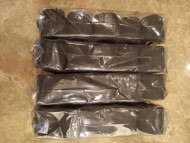
The COCO-BBQ Coconut Shell Charcoal format provides four individually wrapped packs inside a 10 lbs box ($24.99, free U.S. shipping, all sales final). This packaging helps shield unburned briquettes from ambient moisture swings until opened.
Central airflow holes in cylindrical coconut shell charcoal require clean, dry internal surfaces to support airflow. When moisture settles inside these geometric channels, interior draft stalls. Preserving dry inner cavities maintains uninterrupted oxygen flow through each cylinder during outdoor cooking.
Is Your Storage Environment Truly Elevated and Dry?
A reliable charcoal staging area maintains stable indoor temperatures and keeps packaging off bare concrete or exposed ground. Sheds, open carports, and outdoor patio bins experience dramatic dew-point swings that condense liquid water directly onto stored fuel. Proper humidity defense for briquettes requires a dedicated space protected from drafts, plumbing runs, and ground chill. Audit your current fuel storage layout against these physical conditions:
- The charcoal sits on a raised shelf, pallet, or wire rack rather than resting directly on bare concrete.
- The ambient air stays within a stable, climate-controlled temperature range throughout day and night cycles.
- The storage space is fully isolated from exterior wall sweating and roof leaks.
- Stored boxes sit away from moisture-generating appliances like water heaters and open laundry venting lines.
- The location helps minimize surface condensation on outer packaging layers caused by overnight dew-point drops.
- Unopened, unlit fuel packs rest elevated inside a dry, sheltered storage cabinet or sealed tote rather than sitting directly on damp ground or concrete.
- The surrounding area remains free from standing water, hose spray, and garden runoff during heavy rainstorms.
- Air circulates freely around the stack without trapping damp pockets against cold masonry foundation walls.
Are Your Briquettes Shielded in Segmented Packaging?
A successful humidity defense for briquettes isolates reserve fuel from the open air while exposing only what a cook requires. Storing charcoal briquettes dry supports reliable heat and helps reduce charcoal lighting difficulty caused by moisture absorption. Packaging that subdivides the supply protects unused pieces from ambient moisture during repeat sessions. The 10 lbs box uses four individually wrapped packs of coconut charcoal briquettes for outdoor grilling. The reserve fuel remains in factory-sealed enclosures rather than a single open sack. Opening one portion of charcoal leaves the remaining briquettes isolated from outdoor air. Unused pieces avoid exposure to humidity spikes between outdoor cooking sessions. Each sealed parcel protects all-natural charcoal from absorbing ambient water vapor until lighting day.
Segmenting dry outdoor grilling fuel minimizes repeated ambient exposure and helps protect briquette integrity across cooks.
Does your lighting routine reveal damp charcoal briquette performance?
A dry fuel charge catches steadily from a starter chimney within minutes and emits minimal odor while transitioning to a cooking bed. Moisture defense for charcoal centers on identifying early ignition failures before low cooking temperatures ruin outdoor grilling plans. When charcoal briquettes absorb water vapor from damp garages or backyards, lighting difficulty spikes because energy burns off trapped water instead of generating clean cooking heat. Briquettes ignite easily across the chimney without requiring extra lighter fluid or secondary kindling.
The fuel produces clean heat rather than dense, acrid white steam during the initial burn.
Ignited fuel ash forms an even white exterior that supports steady heat zones during the cookout.
Protecting fuel from ambient humidity preserves proper charcoal lighting and stable heat dynamics. Selecting fuel packaged in partitioned portions, such as coconut shell charcoal with four individually wrapped packs per 10 lbs box, helps isolate unburned briquettes from ambient humidity swings between cookouts. Keeping unused coconut charcoal briquettes dry between outdoor sessions supports airflow through every central hole.
Fixing Storage Failures in Order of Priority
Backyard grillers managing damp garage storage should inspect their staging area before the next cookout. Move fuel away from concrete floors to a raised, dry shelf. If opening a large supply exposes untouched briquettes to ongoing humidity, choose portioned packaging instead. You can evaluate your own moisture defense charcoal storage by checking whether fuel remains isolated from ambient air between cooking sessions.
For pitmasters and home cooks seeking dependable outdoor grilling, choosing segmented packaging helps minimize wasted heat. For lighting tips and outdoor temperature control, consult our BBQ grilling guide. Each 10 lbs box of COCO-BBQ Coconut Shell Charcoal ($24.99, free U.S. shipping) supplies four individually wrapped packs of cylindrical briquettes with central holes designed to support airflow when dry. Elevate your fuel reserves off concrete floors to keep your outdoor cooking fuel ready to burn.
FAQ
What specific indicators show charcoal briquettes have absorbed ambient moisture?
Damp briquettes display sluggish ignition, produce thick white smoke, and struggle to reach searing temperatures. They may also feel cool to the touch and crumble easily under light finger pressure.
What physical failure occurs when lighting moisture-compromised briquettes?
Internal water consumes thermal energy as it turns to steam instead of allowing the carbon structure to catch. This sudden vaporization causes erratic pops, surface flaking, and rapid extinguishment.
What should decide whether to store fuel in original cartons or airtight bins?
Packaging design determines your storage requirement. If fuel arrives in permeable paper sacks, an airtight plastic tote is essential, whereas sealed, portioned packs can remain safely inside their original box in a dry location.
How do portion-wrapped packs compare with standard open multiwall paper bags?
Standard bags expose the entire fuel load to ambient humidity the moment the top seal breaks. Individually sealed packs partition the fuel, keeping unopened portions isolated from atmospheric moisture until lit.