
What is the best charcoal for your BBQ?
The best charcoal for grilling fits your grill, cooking method and storage needs. Compare the fuel source, briquette shape, pack format and delivered cost before choosing.
Shop COCO-BBQ coconut charcoal briquettes
Coconut charcoal vs wood charcoal
COCO-BBQ uses coconut shells as its charcoal feedstock, giving a byproduct of coconut processing another use. Wood charcoal starts with wood. Its sourcing can include responsibly managed timber or recovered wood, so environmental impact depends on more than the fuel name.
Explore why we use coconut shells
Briquettes vs lump charcoal
Briquettes are formed into defined shapes, while lump charcoal is sold as irregular pieces. Hickory charcoal and pecan charcoal refer to wood sources; coconut shell charcoal comes from a different feedstock. COCO-BBQ briquettes are made from coconut shells and have a central hole that provides an airflow path. When comparing charcoal for BBQ or grilling, check each product label, shape and grill instructions.
What makes COCO-BBQ different?
- Coconut shell fuel: an all-natural alternative to wood-based charcoal.
- Central airflow holes: a purposeful cylinder design that lets air pass through the charcoal.
- Four wrapped packs: open the fuel you need and keep the remaining packs dry.
- One box containing 10 lbs: easy to plan, carry and store for your next cookout.
Build two useful charcoal heat zones
Two-zone grilling gives you a hotter area for searing and a cooler area for finishing food. Follow your grill and fuel instructions, and light charcoal outdoors with an appropriate starter.
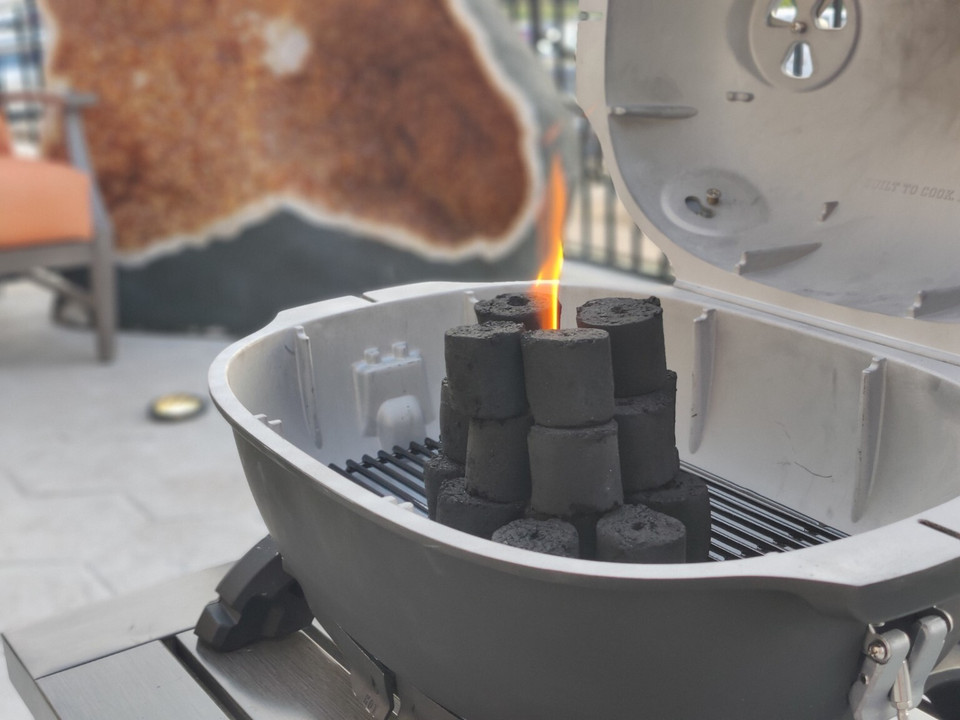
- Arrange lit coals on one side of the charcoal grate, leaving the other side without coals directly under the food.
- Preheat with the cooking grate in place. Sear over the coals, then move food to indirect heat when it needs more time without extra browning.
- Adjust vents gradually and give the grill time to respond. Keep ash from blocking airflow.
Use a food thermometer and the safe minimum internal temperature chart. Keep raw-food utensils and plates separate from cooked food. Charcoal belongs outdoors, never in an enclosed space.
Practice backyard pitmaster skills
Build repeatable results by learning your grill and changing one variable at a time. Note fuel amount, lighting time, vent positions, weather and results; plan where food will move when the surface is browned but the center needs more cooking; and use thermometers instead of guessing from flames or color.
Looking for long-lasting charcoal briquettes?
Burn time depends on fuel quantity, ventilation, grill design and cooking temperature. Compare performance under the same conditions. Four packs help you portion your fuel; the number of cookouts per box depends on how much each cook uses.
Compare value by the whole box
Check package weight, delivered price, fuel source and storage format. For cost per pound, divide the delivered price by the net weight. Choose the format that fits the way you grill.
BBQ recipes for your next cookout
Put your charcoal and heat-zone skills to work with these five grilling recipes. Open each recipe for ingredients and step-by-step instructions.
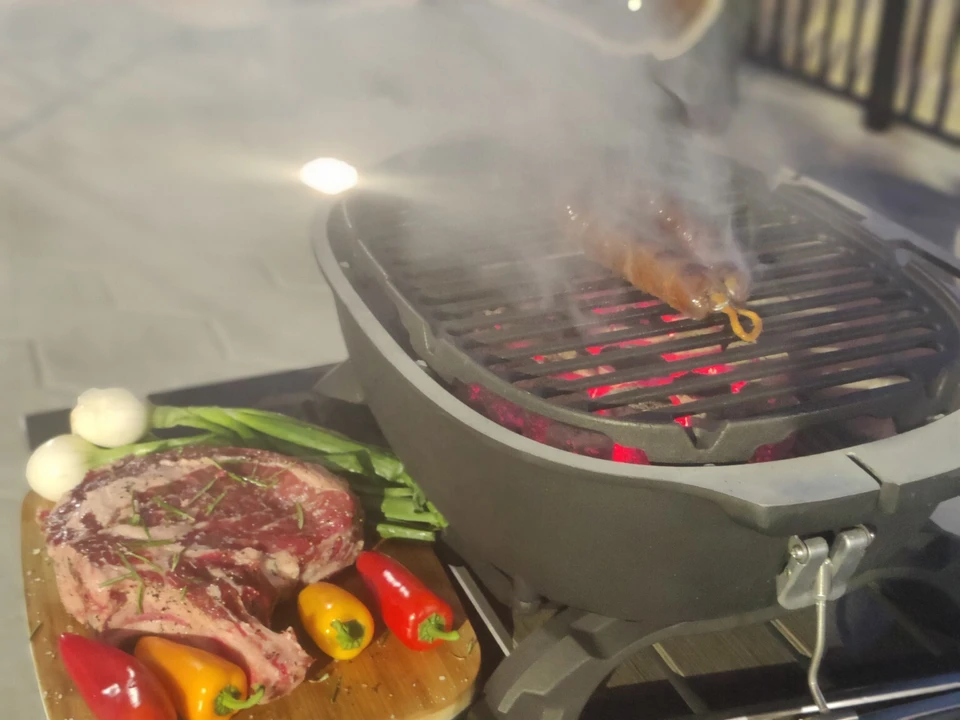
Grilled ribeye steak
Sear over direct heat, then finish to your preferred doneness.
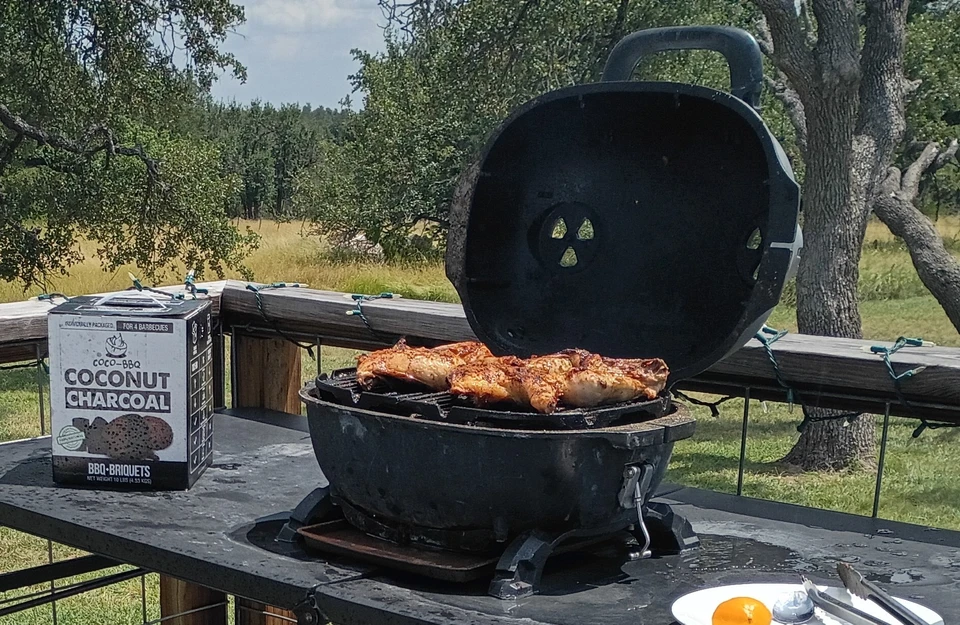
Smoky BBQ chicken
Cook gently over indirect heat and finish with a glaze.
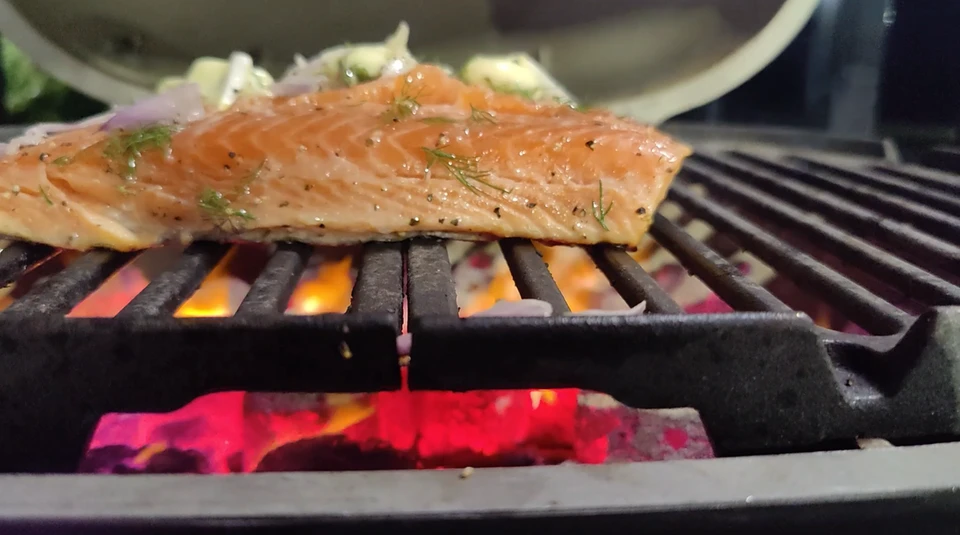
Direct-Heat Grilled Salmon with Shallots
Grill salmon directly on the grates over direct heat with shallots, lemon and herbs.
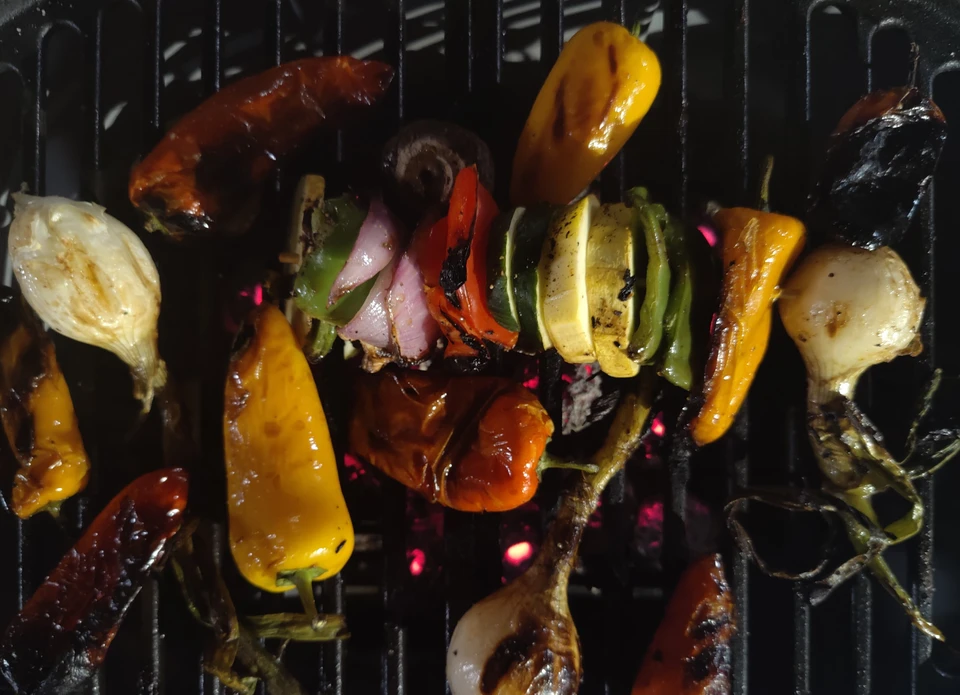
Charred veggie skewers
A colorful direct-heat side for your next barbecue.
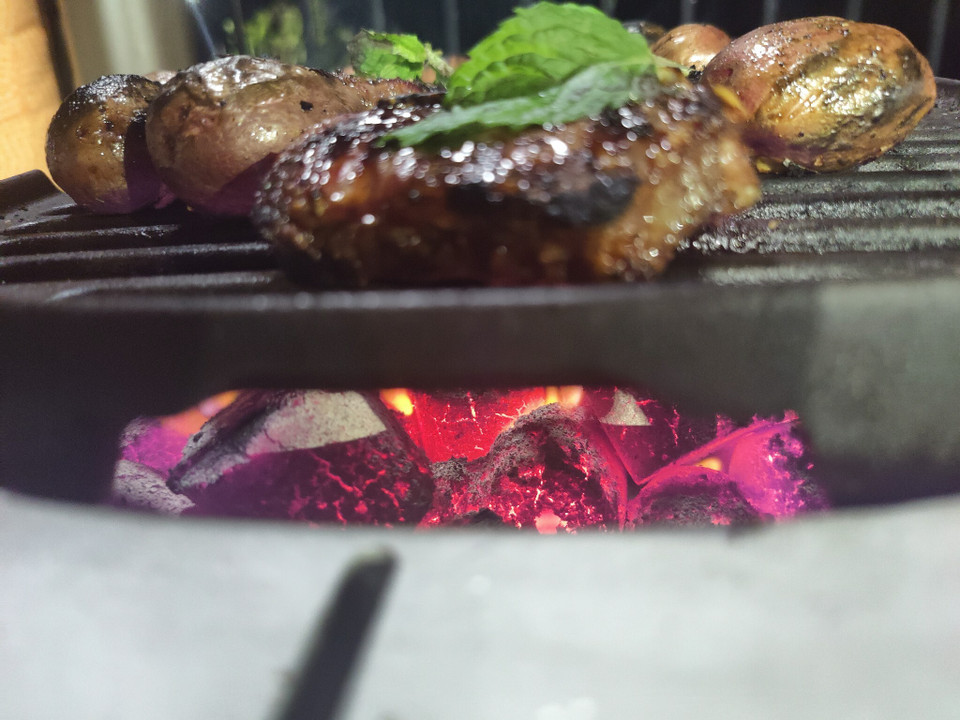
Grilled lamb chops
Herb-seasoned chops cooked quickly over a hot grill.
Questions to ask before buying charcoal
Is coconut charcoal suitable for my grill?
COCO-BBQ is coconut shell charcoal formed into cylindrical briquettes for outdoor grilling. Check your grill manufacturer's fuel requirements before buying, especially for equipment that specifies lump charcoal or a particular fuel size. Coconut describes the fuel source; briquette describes its formed shape.
What should I look for in natural charcoal for grilling?
Look for a clearly identified fuel source, understandable use instructions and the actual net weight. COCO-BBQ offers all-natural coconut shell charcoal in a box containing 10 lbs (4.54 kg) with four individually wrapped packs. Read the product details rather than assuming every charcoal labeled natural has the same shape or performance.
Why choose charcoal briquettes with airflow holes?
The central hole provides a path for air through each cylinder. Air also needs space between the briquettes and access through your grill vents. Avoid packing the fuel so tightly that it blocks circulation; follow your grill and fuel instructions for the correct arrangement.
Does premium charcoal guarantee a longer burn?
The word premium alone does not establish burn duration. Compare equal fuel weights in the same grill at the same cooking temperature. Vent settings, weather and the amount of fuel all affect results. Choose charcoal for the cooking session you plan, rather than relying on an unqualified hours-per-bag promise.
How should I store unused coconut charcoal?
Keep unused charcoal dry and away from ignition sources. Leave the remaining wrapped packs unopened until needed and follow the packaging instructions. Remove wrapping before lighting; the four packs are a convenient storage format, not a guarantee of four identical cooking sessions.
Your next cookout starts here
Get the COCO-BBQ box · Find BBQ recipes · Ask about wholesale coconut charcoal
Use charcoal outdoors only. Follow the instructions on your fuel packaging and grill.